
 Apple Valley, CA 92307

Anxiety Disorder
A Place Where People Are Helped to
Help Themselves.
Help Themselves.
What is Anxiety Disorder?
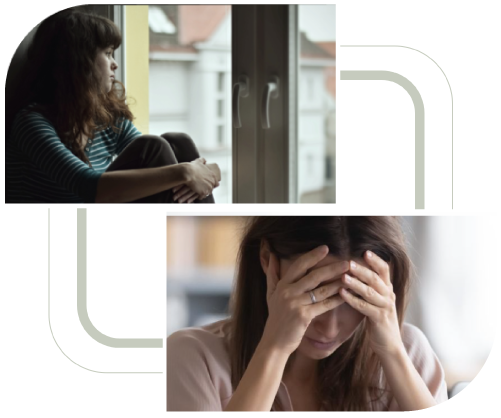
An anxiety disorder is a type of mental health condition. If you have an anxiety disorder, you may respond to certain things and situations with fear and dread. You may also experience physical signs of anxiety, such as a pounding heart and sweating.
Symptoms of Anxiety Disorder
1.
Feeling nervous, restless or tense
7.
Feeling weak or tired
2.
Having a sense of impending danger, panic or doom
8.
Trouble concentrating or thinking about anything other than the present worry
3.
Having an increased heart rate
9.
Having trouble sleeping
4.
Breathing rapidly (hyperventilation)
10.
Experiencing gastrointestinal (GI) problems
5.
Sweating
11.
Having difficulty controlling worry
6.
Trembling
12.
Having the urge to avoid things that trigger anxiety
Causes of Anxiety Disorder
Some causes of anxiety disorders are:
Genetics:
Anxiety disorders can run in families.
Brain chemistry:
Some research suggests anxiety disorders may be linked to faulty circuits in the brain that control fear and emotions.
Environmental stress:
This refers to stressful events you have seen or lived through. Life events often linked to anxiety disorders include childhood abuse and neglect, a death of a loved one, or being attacked or seeing violence.
Drug withdrawal or misuse:
Certain drugs may be used to hide or decrease certain anxiety symptoms. Anxiety disorder often goes hand in hand with alcohol and substance use.
Medical conditions:
Some heart, lung, and thyroid conditions can cause symptoms similar to anxiety disorders or make anxiety symptoms worse

Risk factors of Anxiety Disorder

Trauma:
Children or adults who endured abuse or trauma or witnessed traumatic events are at higher risk of developing an anxiety disorder at some point in life.
Stress due to an illness:
Having a health condition or serious illness can cause significant worry about issues such as your treatment and your future.
Stress buildup:
A big event or a buildup of smaller stressful life situations may trigger excessive anxiety — for example, a death in the family, work stress or ongoing worry about finances.
Personality:
People with certain personality types are more prone to anxiety disorders than others are.
Other mental health disorders:
People with other mental health disorders, such as depression, often also have an anxiety disorder.
Having blood relatives with an anxiety disorder:
Anxiety disorders can run in families.
Drugs or alcohol:
Drug or alcohol use or misuse or withdrawal can cause or worsen anxiety.
Complications
Having an anxiety disorder does more than make you worry. It can also lead to, or worsen, other mental and physical conditions, such as:
- Depression (which often occurs with an anxiety disorder) or other mental health disorders
- Substance misuse
- Trouble sleeping (insomnia)
- Digestive or bowel problems
- Suicide
- Headaches and chronic pain
- Social isolation
- Problems functioning at school or work
- Poor quality of life
Prevention of Anxiety Disorder
Get help early:
Anxiety, like many other mental health conditions, can be harder to treat if you wait.
Stay active:
Participate in activities that you enjoy and that make you feel good about yourself. Enjoy social interaction and caring relationships, which can lessen your worries.
Avoid alcohol or drug use:
Alcohol and drug use can cause or worsen anxiety. If you’re addicted to any of these substances, quitting can make you anxious.
Types of Anxiety Disorder
01
Agoraphobia:
It is a type of anxiety disorder in which you fear and often avoid places or situations that might cause you to panic and make you feel trapped, helpless or embarrassed.
02
Anxiety disorder due to a medical condition:
It includes symptoms of intense anxiety or panic that are directly caused by a physical health problem.
03
Generalized anxiety disorder:
It includes persistent and excessive anxiety and worry about activities or events — even ordinary, routine issues.
04
Panic disorder:
It involves repeated episodes of sudden feelings of intense anxiety and fear or terror that reach a peak within minutes (panic attacks).
05
Selective mutism:
It is a consistent failure of children to speak in certain situations, such as school, even when they can speak in other situations, such as at home with close family members. This can interfere with school, work and social functioning.
06
Separation anxiety disorder:
It is a childhood disorder characterized by anxiety that’s excessive for the child’s developmental level and related to separation from parents or others who have parental roles.
07
Social anxiety disorder (social phobia):
It involves high levels of anxiety, fear and avoidance of social situations due to feelings of embarrassment, self-consciousness and concern about being judged or viewed negatively by others.
08
Specific phobia:
It is characterized by major anxiety when you’re exposed to a specific object or situation and a desire to avoid it. Phobias provoke panic attacks in some people.
09
Substance-induced anxiety disorder:
It is characterized by symptoms of intense anxiety or panic that are a direct result of misusing drugs, taking medications, being exposed to a toxic substance or withdrawing from drugs.
How are anxiety disorders diagnosed?
The healthcare provider starts with a complete medical history and physical examination.
There are no lab tests or scans that can diagnose anxiety disorders. But the health provider may run some of these tests to rule out physical conditions that may be causing symptoms.
How Are Anxiety Disorders Treated?
An anxiety disorder is like any other health problem that requires treatment. The healthcare provider will tailor a treatment plan that works for you. The plan may combine medication and psychotherapy.
How Does Medication Treat Anxiety Disorders?
Medications can’t cure an anxiety disorder. But they can improve symptoms and help you function better. Medications for anxiety disorders often include:
Anti-anxiety medications
such as benzodiazepines, may decrease your anxiety, panic and worry. They work quickly, but you can build up a tolerance to them.
Antidepressants
can also help with anxiety disorders. They tweak how your brain uses certain chemicals to improve mood and reduce stress.
Beta-blockers
usually used for high blood pressure, can help reduce some of the physical symptoms of anxiety disorders. They can relieve rapid heartbeat, shaking and trembling.
How Does Psychotherapy Treat Anxiety Disorders?
Psychotherapy, or counselling, helps you deal with your emotional response to the illness. A mental health provider talks through strategies to help you better understand and manage the disorder. Approaches include:

Cognitive behavioural therapy (CBT)
is the most common type of psychotherapy used for anxiety disorders. CBT for anxiety teaches you to recognize thought patterns and behaviours that lead to troublesome feelings.
Exposure therapy
focuses on dealing with the fears behind the anxiety disorder. It helps you engage with activities or situations you may have been avoiding.
Frequently Asked Questions
1. What is the rare anxiety disorder?
Illness anxiety disorder (hypochondria) is extremely rare. It typically appears during early adulthood. Illness anxiety disorder can affect all ages and genders.
2. What is the most serious form of anxiety?
Panic attacks are intense, overwhelming and often uncontrollable feelings of anxiety. Physical symptoms can include trouble breathing, chest pain, dizziness and sweating. If someone has repeated panic attacks they may have a panic disorder.
3. What triggers anxiety attacks?
Difficult experiences in childhood, adolescence or adulthood are common triggers for anxiety problems. Going through stress and trauma will likely have a particularly big impact. Experiences which can trigger anxiety problems include things like physical or emotional abuse.
4. What foods to avoid if you have anxiety?
Foods (and drinks) that are stress- and anxiety-provoking
- Alcohol
- Caffeine
- Sugary drinks and foods
- Processed foods, such as chips, cookies, frozen foods and ready-made meals
- Foods high in trans fats and excessive saturated fats, such as fried foods, red meat, full-fat dairy, butter and baked goods
5. What personality types are prone to anxiety?
Research has indicated that individuals with high emotional reactivity (high neuroticism) and introverted tendencies (low extroversion) are more likely to experience anxiety than other personality types
Let's connect and get started!
You are your most valuable possession, and you owe it to yourself to make this your best life ever!